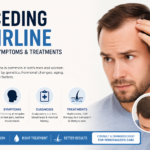

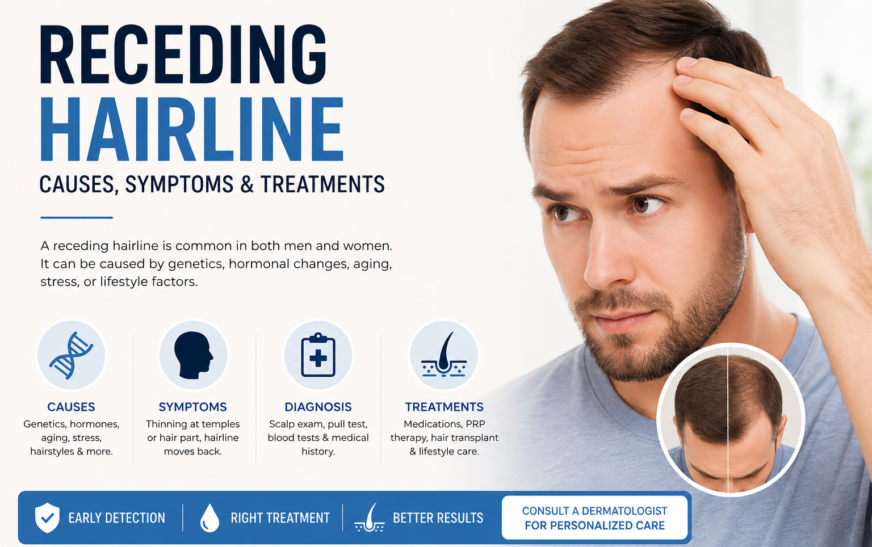
A receding hairline is one of the most common signs of hair loss in both men and women. It usually develops gradually and may begin around the temples, forehead, or hair part. While it’s often linked to aging and genetics, other factors such as hormones, stress, and certain hairstyles can also contribute.
Although a receding hairline is usually harmless, many people look for ways to slow hair loss or restore hair growth. Fortunately, modern treatments — including medications, lifestyle changes, and hair transplant procedures — can help manage the condition effectively.
What Is a Receding Hairline?
A receding hairline occurs when hair starts moving backward from the forehead or temples. In men, it commonly creates an “M-shaped” pattern, while women often notice thinning around the center part or temples.
Hair loss can happen slowly over several years or develop more rapidly depending on the underlying cause.
Buzz haircut receding hairline
A buzz haircut is one of the best hairstyles for a receding hairline because it creates a clean, balanced, and low-maintenance look. By keeping the hair short and even, a buzz cut reduces the contrast between thinning areas and fuller sections, making a receding hairline less noticeable. Many men choose this style because it gives a sharper and more confident appearance while highlighting facial features instead of hair loss. Buzz cuts also work well with different stages of thinning hair and can make the hair appear thicker overall. Whether paired with a fade or a beard, this haircut offers a modern and masculine style that embraces hair loss naturally rather than trying to hide it.
Men Receding Hairline Hairstyles
A receding hairline doesn’t mean you have to sacrifice style. The right haircut can make thinning areas less noticeable while giving you a sharper, more confident look. Modern hairstyles for men with a receding hairline focus on texture, shorter sides, and balanced proportions that work with your natural hair pattern instead of against it.
1. Buzz Cut
The buzz cut is one of the most popular hairstyles for men with a receding hairline. Its ultra-short length minimizes the contrast between thinning and thicker areas, creating a clean and masculine appearance. It’s also easy to maintain and works well with beards.
2. Crew Cut
A crew cut keeps the hair short on the sides while leaving slightly more volume on top. This style adds structure to the hairline and gives a neat, timeless look suitable for both casual and professional settings.
3. Textured Crop
A textured crop uses messy layers and forward styling to disguise thinning temples. The textured finish adds movement and can make hair appear fuller and thicker.
4. Short Fade Haircut
Pairing a receding hairline with a fade haircut draws attention away from the temples and creates a modern, stylish shape. Low fades and mid fades work especially well for thinning hair.
5. Slicked-Back Style
For men with moderate thinning, a slicked-back hairstyle can create a sophisticated appearance. Using lightweight styling products helps maintain volume without exposing the scalp too much.
6. Ivy League Haircut
The Ivy League haircut is a slightly longer version of the crew cut. It offers a polished look while allowing enough hair on top for subtle styling and texture.
7. Shaved Head
Many men fully embrace hair loss with a shaved head. This bold look eliminates the focus on a receding hairline entirely and often pairs well with facial hair for a strong appearance.
8. Caesar Cut
The Caesar haircut features short horizontal bangs brushed forward, which can help cover the front hairline and soften temple recession.
9. Messy Short Hair
A natural messy hairstyle adds texture and volume, making thinning less obvious. Matte styling products are ideal because they avoid excessive shine on the scalp.
10. High and Tight
Inspired by military haircuts, the high and tight keeps the sides extremely short while leaving a small amount of hair on top. It’s clean, masculine, and ideal for advanced hairline recession.
Ladies Receding Hairline
A receding hairline in ladies is a common form of hair loss that usually develops gradually around the temples, forehead, or hair part. It can be caused by genetics, hormonal changes, aging, stress, tight hairstyles, or medical conditions such as thyroid disorders and PCOS. Unlike male pattern baldness, women often experience overall hair thinning rather than complete bald spots. Early signs may include increased hair shedding, a widening part, or thinning edges. Treatments like minoxidil, PRP therapy, healthy nutrition, and gentle hair care can help slow hair loss and improve hair growth. Choosing flattering hairstyles such as layered cuts, soft bangs, or textured styles can also make thinning areas less noticeable while boosting confidence.
Symptoms of a Receding Hairline
The signs of a receding hairline may differ between males and females.
Symptoms in Men
Men typically experience:
- Thinning hair above the temples
- Hairline moving farther back over time
- An “M” or “widow’s peak” shape
- Bald spots on the crown
- Gradual overall hair thinning
Male pattern baldness often starts after puberty and becomes more noticeable in the 30s and 40s.
Symptoms in Women
Women are more likely to notice:
- Wider hair part
- Diffuse thinning across the scalp
- Hair loss around the temples
- Reduced hair volume
- Increased hair shedding
Unlike men, women usually keep their frontal hairline but experience overall thinning.
Main Causes of a Receding Hairline
Several factors can trigger hairline recession or hair thinning.
1. Genetics
Genetics is the leading cause of hair loss. If close family members experienced baldness or thinning hair, you may have a higher risk of developing it too.
This condition is known as androgenetic alopecia, commonly called male or female pattern baldness.
2. Hormonal Changes
Hormones play a major role in hair growth.
In men, sensitivity to dihydrotestosterone (DHT) can shrink hair follicles and shorten the hair growth cycle.
In women, hormonal fluctuations caused by:
- Menopause
- Pregnancy
- PCOS
- Thyroid disorders
can contribute to hair thinning and hairline recession.
3. Aging
Hair naturally becomes thinner with age. As people get older:
- Hair grows more slowly
- Follicles weaken
- Hair strands become finer
- Growth cycles shorten
Most adults experience some degree of hair thinning over time.
4. Stress and Lifestyle Factors
Physical or emotional stress may trigger temporary hair loss known as telogen effluvium.
Additional lifestyle-related causes include:
- Poor nutrition
- Smoking
- Lack of sleep
- Rapid weight loss
- Excessive heat styling
5. Hairstyles and Hair Damage
Tight hairstyles such as:
- Ponytails
- Braids
- Cornrows
- Hair extensions
can cause traction alopecia, a type of hair loss caused by repeated pulling on the hair follicles.
How Is a Receding Hairline Diagnosed?
A dermatologist can usually diagnose hair loss through a scalp examination and medical history review.
Your doctor may also perform:
Pull Test
A gentle hair-pulling test to determine how easily hairs fall out.
Blood Tests
These help identify medical conditions linked to hair loss, including:
- Thyroid disease
- Iron deficiency
- Hormonal imbalances
Scalp Biopsy
In rare cases, a small scalp sample may be taken to rule out infections or inflammatory conditions.
Best Treatments for a Receding Hairline
Treatment depends on the cause and severity of hair loss.
1. Minoxidil (Rogaine)
Minoxidil is one of the most popular hair loss treatments. It helps stimulate hair growth and may slow hair thinning.
It is available as:
- Foam
- Liquid solution
- Oral prescription tablets
Many users see results after 3–6 months of consistent use.
2. Finasteride (Propecia)
Finasteride is a prescription medication for male pattern baldness. It works by lowering DHT levels that contribute to follicle shrinkage.
Possible side effects may include:
- Reduced libido
- Erectile dysfunction
- Mood changes
Always consult a doctor before starting treatment.
3. Hair Transplant Surgery
Hair transplant procedures move healthy follicles from thicker areas of the scalp to thinning areas.
Popular techniques include:
- FUT (Follicular Unit Transplantation)
- FUE (Follicular Unit Extraction)
Results can look natural and permanent when performed by experienced specialists.
4. PRP Therapy
Platelet-rich plasma (PRP) therapy involves injecting growth-factor-rich plasma into the scalp to stimulate hair follicles.
PRP is increasingly popular for early-stage hair loss.
5. Lifestyle Improvements
Healthy habits may support stronger hair growth, including:
- Eating protein-rich foods
- Managing stress
- Getting enough sleep
- Avoiding harsh hair treatments
- Taking vitamins if deficient
Can You Prevent a Receding Hairline?
You cannot always prevent genetic hair loss, but you may reduce the risk or slow progression by:
- Avoiding tight hairstyles
- Limiting heat styling
- Eating a balanced diet
- Treating scalp conditions early
- Reducing stress
- Using gentle hair care products
Early treatment often provides the best results.
When Should You See a Doctor?
You should consult a dermatologist if you notice:
- Sudden hair loss
- Bald patches
- Excessive shedding
- Scalp itching or pain
- Rapid thinning
A medical evaluation can identify underlying conditions and help determine the best treatment plan.
Outlook for People With a Receding Hairline
A receding hairline is extremely common and usually develops gradually over time. For some people, hair loss remains mild, while others experience significant thinning or baldness.
Modern treatments can slow progression and, in many cases, improve hair density and confidence.
FAQs
Is a receding hairline normal?
Yes. Hairline changes are a natural part of aging for many men and women.
Can hair grow back naturally?
In some cases, yes — especially if hair loss is caused by stress, illness, or nutritional deficiencies. Genetic hair loss is harder to reverse without treatment.
What age does a receding hairline start?
It can begin anytime after puberty, though it commonly becomes noticeable in the late 20s to 40s.
Does wearing hats cause hair loss?
No. Wearing hats does not directly cause a receding hairline.
Which treatment works best?
Minoxidil and finasteride are among the most effective non-surgical treatments. Hair transplant surgery offers long-term restoration for suitable candidates.
Final Thoughts
A receding hairline can affect self-confidence, but it’s a very common condition experienced by millions of people worldwide. Genetics, hormones, aging, and lifestyle factors all contribute to hair loss.
The good news is that many treatments are now available — from medications and PRP therapy to advanced hair transplant procedures. If you notice persistent thinning or a changing hairline, speaking with a dermatologist can help you find the right solution early.
For More Information Visit Our Homepage: