

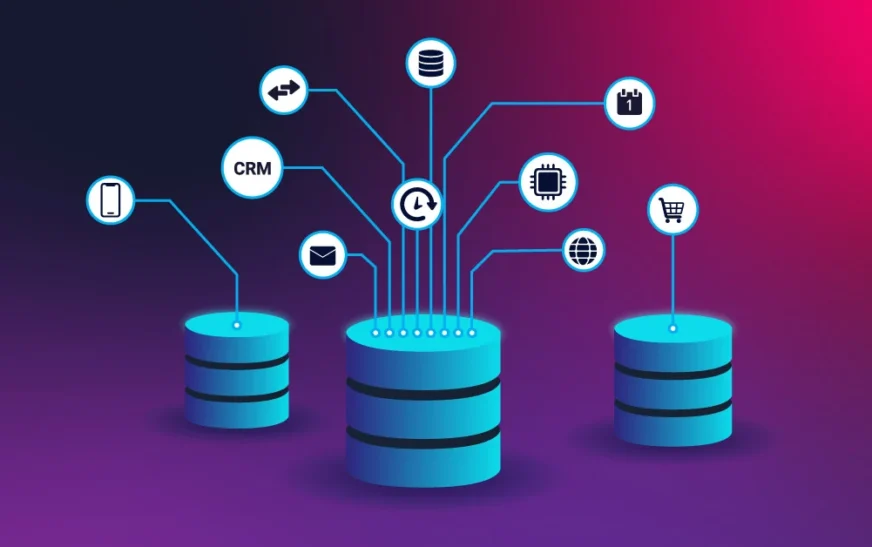
In today’s data-driven world, database efficiency can make or break your application. Database optimization ensures your system runs smoothly, processes queries quickly, and scales without performance issues.
Whether you’re managing a small website or a large enterprise platform, optimizing your database is essential for speed, cost-efficiency, and user satisfaction.
What is Database Optimization?
Database optimization is the process of improving a database’s performance by refining queries, structuring data efficiently, and using advanced techniques like indexing and caching.
The main objective is to reduce query execution time and improve overall system responsiveness.
Why Database Optimization is Important
A well-optimized database provides several benefits:
- Faster data retrieval and processing
- Lower server and infrastructure costs
- Better scalability for growing applications
- Improved data integrity and reliability
- Enhanced user experience
Without proper optimization, even powerful systems can suffer from slow performance and downtime.
Core Techniques for Database Performance Optimization
1. Smart Indexing
Indexes act like shortcuts that help databases find data quickly.
Best practices:
- Index frequently searched columns
- Avoid excessive indexing to prevent slow inserts
- Regularly update and rebuild indexes
2. Query Performance Tuning
Efficient queries are the backbone of database performance optimization.
Optimization tips:
- Select only required columns instead of using
SELECT * - Optimize joins and subqueries
- Use query execution plans to identify bottlenecks
- Remove duplicate or unnecessary queries
3. Data Structuring (Normalization vs. Denormalization)
- Normalization reduces redundancy and improves data consistency
- Denormalization enhances read speed by reducing joins
A balanced approach is key depending on your workload.
4. Caching Strategy & Data Frequency Usage Metrics
A well-planned caching strategy data frequency usage metrics database optimization approach significantly boosts performance.
How caching helps:
- Stores frequently accessed data temporarily
- Reduces repeated database hits
- Speeds up application response time
Use data frequency metrics to:
- Identify high-traffic queries
- Cache frequently used data
- Avoid caching rarely accessed data
Popular caching solutions include Redis and in-memory caching systems.
5. Database Partitioning
Partitioning divides large tables into smaller segments, making data easier to manage.
Benefits:
- Faster query execution
- Improved maintenance
- Better scalability
6. Connection Pooling
Instead of opening new connections repeatedly, connection pooling reuses existing ones.
Advantages:
- Reduced latency
- Efficient resource usage
- Improved system throughput
Top Database Optimization Tools
Using modern database optimization tools can simplify performance management.
Common tools include:
- Query analyzers
- Performance monitoring platforms
- Index management tools
- Database profiling solutions
These tools help detect slow queries, optimize indexing, and monitor system health in real time.
Professional Database Optimization Services
Businesses often rely on expert database optimization services to ensure peak performance.
Services typically include:
- Database performance audits
- Query optimization
- Infrastructure scaling
- Security enhancements
- Continuous monitoring
These services help reduce technical complexity and ensure long-term efficiency.
Advanced Optimization Strategies
Load Balancing
Distributes incoming traffic across multiple servers to avoid overload.
Database Sharding
Splits data across multiple databases to improve scalability.
Hardware Optimization
- Use SSDs for faster data access
- Increase RAM for better caching
- Optimize CPU performance
Automated Backups
Ensure data safety without affecting performance.
Common Mistakes to Avoid
- Ignoring slow queries
- Overloading the database with indexes
- Lack of monitoring tools
- Poor database schema design
- Inefficient caching strategies
Avoiding these mistakes can drastically improve performance.
Future of Database Optimization
Emerging trends include:
- AI-powered query optimization
- Cloud-native database systems
- Real-time data processing
- Automated performance tuning
Staying updated with these innovations will keep your systems competitive.
FAQs on Database Optimization
1. What is database performance optimization?
It is the process of improving database speed, efficiency, and reliability by optimizing queries, indexing, and system resources.
2. What are the best database optimization tools?
Popular tools include query analyzers, monitoring dashboards, and performance tuning platforms that identify bottlenecks.
3. How does caching improve database performance?
Caching stores frequently accessed data, reducing the need to repeatedly query the database, resulting in faster responses.
4. What are database optimization services?
These are professional solutions that help businesses analyze, optimize, and maintain high-performing databases.
5. How often should databases be optimized?
Regular optimization is recommended—monthly for small systems and continuous monitoring for large-scale applications.
6. Why are data frequency usage metrics important?
They help identify frequently accessed data, allowing you to optimize caching and improve overall efficiency.
Conclusion
Database optimization is a crucial part of modern application performance. By leveraging the right database optimization tools, implementing effective caching strategies, and using expert database optimization services, you can ensure faster performance and scalability.
Consistent monitoring and ongoing improvements will keep your database efficient and ready for future growth.
FOR MORE INFORMATION, VISIT OUR HOMEPAGE: