
Prince Albert (PA) piercings are among the most popular male genital piercings. While they can enhance sensation and add a unique aesthetic, they also come with specific risks and care requirements. Understanding the procedure, benefits, and aftercare is essential before making a decision.
What Is a Prince Albert Piercing?
A Prince Albert piercing involves inserting jewelry through the urethra (the opening where urine exits) and bringing it out through the underside of the glans (head of the penis).
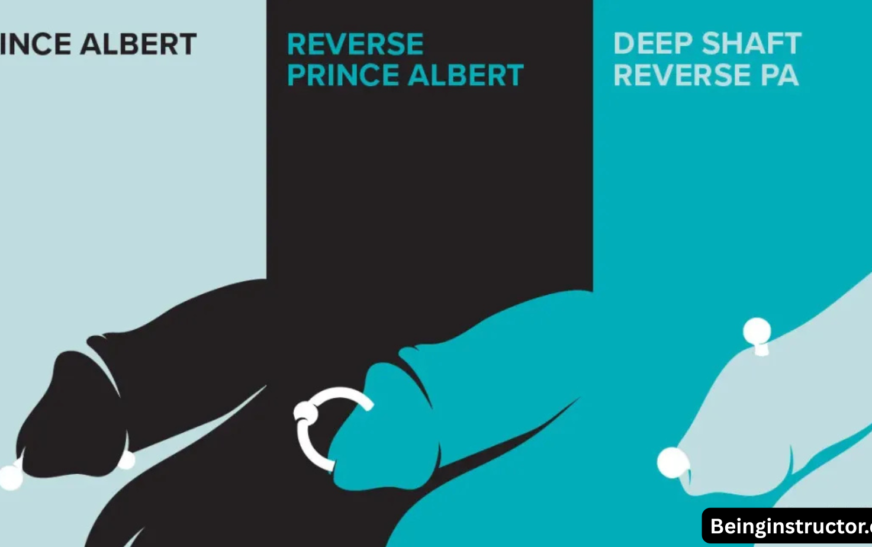
Variations of PA Piercing
- Standard PA: Exits from the underside of the glans
- Reverse PA: Exits through the top of the glans
- Deep Shaft Reverse PA: Exits further down the shaft, away from the head
Each variation differs in placement, healing time, and level of sensitivity.
Types of Jewelry Used
Different jewelry styles can be used depending on comfort and preference:
- Circular barbell: Horseshoe-shaped with removable ends
- Captive bead ring: Circular ring with a bead closure
- Straight barbell: Straight rod with removable ends
- Curved (bent) barbell: Slightly curved for better anatomical fit
Recommended Materials
Choosing the right material is critical for healing:
- Surgical titanium: Lightweight and low risk of irritation
- Biocompatible polymers: Flexible and ideal for beginners
- Niobium: Hypoallergenic and durable
- Gold (14k): Safe if solid (avoid gold-plated)
- Platinum: High quality but expensive
Procedure: How It’s Done
The process is usually quick and performed by a professional piercer:
- The area is cleaned and sterilized
- Entry and exit points are marked
- A sterile needle is inserted through the urethra
- Jewelry is placed immediately after
- The area is cleaned and bandaged
Does It Hurt?
Yes, some discomfort is expected. The penis contains many nerve endings, making this piercing more sensitive than others. Pain levels vary depending on individual tolerance and jewelry size.
Cost of a Prince Albert Piercing
Prices vary based on location and jewelry quality:
- Piercing service: $40 to $150+
- Jewelry: $15 to $200+
- Tip: Around 20% for professional service
High-end studios with premium jewelry may charge more.
Benefits of a PA Piercing
Many people choose PA piercings for both aesthetic and functional reasons:
- Increased stimulation during sex or masturbation
- Enhanced sensitivity due to nerve contact
- Potential added pleasure for partners
- Ability to use specialty jewelry (e.g., “Prince’s wand”)
However, results vary from person to person.
Risks and Potential Complications
Like any body modification, PA piercings carry risks:
Health Risks
- Infection
- Jewelry rejection or migration
- Increased risk of sexually transmitted infections (STIs)
- Bleeding or irritation
Sexual Risks
- Condom breakage due to jewelry friction
- Injury to partner during intercourse
- Jewelry snagging on other piercings
Careful hygiene and safe practices can reduce these risks.
Aftercare: Healing and Maintenance
Healing typically takes around 4 weeks, but proper care is essential.
Daily Care Routine
- Wash hands before touching the area
- Clean with saline solution twice daily
- Gently remove any crust buildup
- Pat dry with a clean towel
- Use fresh bandages if needed
Important Tips
- Avoid pools, baths, and prolonged water exposure
- Do not use harsh chemicals or alcohol-based cleansers
- Avoid sexual activity until swelling subsides
- Use protection during sex after healing begins
You may also need to adjust how you urinate to prevent spraying.
Signs of Healing vs. Infection
Normal Healing Signs
- Mild swelling
- Light tenderness
- Minimal discharge
Warning Signs (Seek Medical Help)
- Severe swelling or pain
- Foul odor
- Yellow/green discharge
- Skin discoloration or heat
Signs of Rejection
- Jewelry shifting position
- Thinning skin around the piercing
- Jewelry pushing outward
Changing or Removing Jewelry
Only change jewelry after full healing.
Safe Removal Steps
- Wash hands thoroughly
- Clean the area with saline
- Remove jewelry slowly
- Insert new jewelry carefully
- Secure properly
If unsure, visit a professional piercer.
If you remove jewelry permanently, the hole may gradually close.
Final Thoughts
A Prince Albert piercing can offer increased sensation and a unique look, but it requires commitment to hygiene and proper care. Choosing an experienced piercer and following aftercare instructions are key to avoiding complications.
If your body doesn’t respond well, alternative piercing options may be safer and more comfortable.
For More Information Visit Our Homepage: